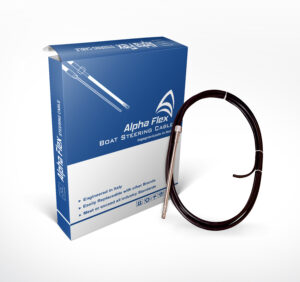
A boat steering cable plays a vital role in ensuring precise control, safety, and smooth maneuverability on the water. Whether you operate a small fishing boat, a pontoon boat, or an outboard-powered vessel, the steering cable acts as the mechanical link between the helm and the engine. Understanding how steering cables work, how to identify the right one, and when to replace them can significantly improve your boating experience.
In this comprehensive guide, we explore everything you need to know about steering cable for boat systems, including types, functionality, common issues, and buying considerations – making this resource ideal for boat owners, marine technicians, and beginners alike.
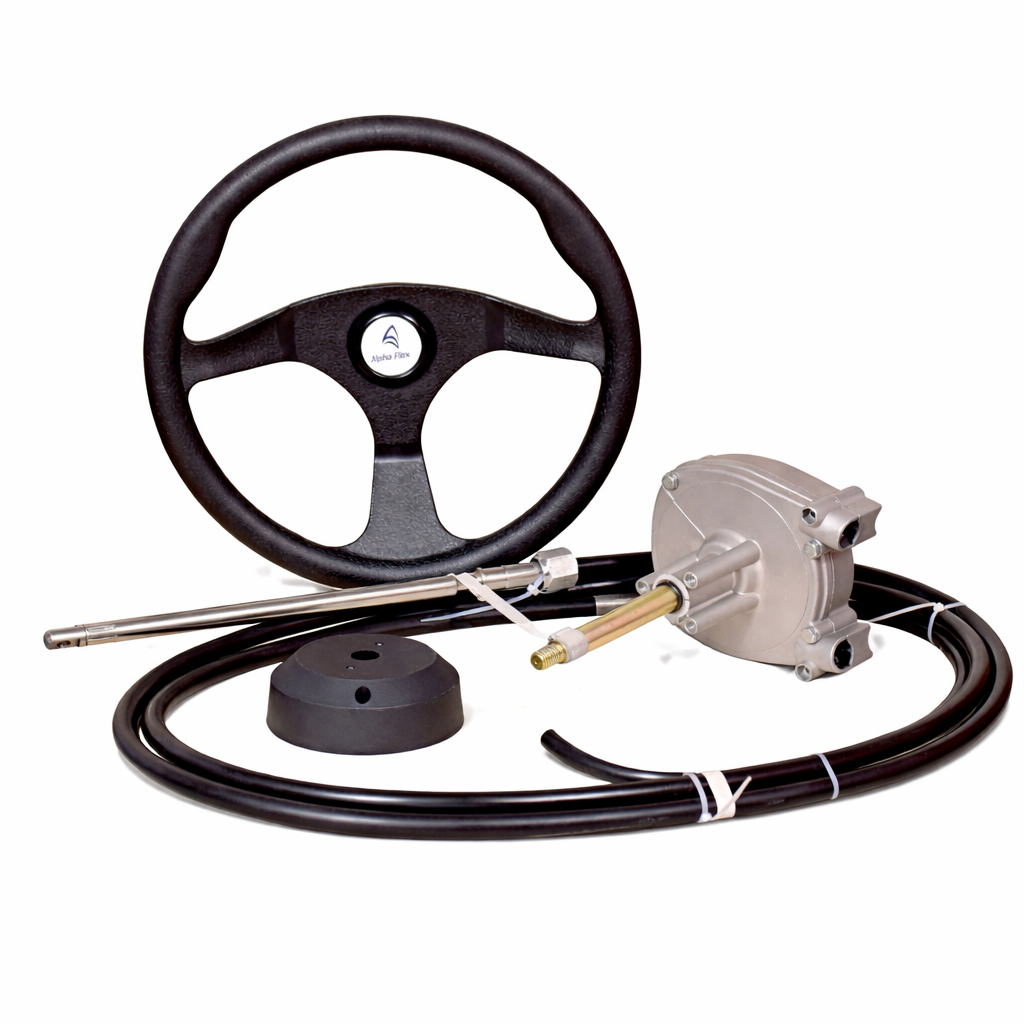
A steering cable for boat applications is a flexible mechanical cable that transfers steering input from the wheel at the helm to the boat’s motor or rudder. When you turn the wheel, the cable pushes or pulls, causing the engine to pivot and change the boat’s direction.
Mechanical steering cables are widely used because they are reliable, cost-effective, and suitable for a wide range of boats – especially small to mid-sized vessels.
Cable steering operates on a simple mechanical principle. When the helm wheel is turned, the rotary or rack mechanism moves the inner core of the steering cable. This motion is transmitted to the engine’s steering arm, causing the outboard motor to turn left or right.
In most setups:
This straightforward design is why rotary steering cable for boat systems remain popular across recreational and commercial boating.
Choosing the right steering cable depends on your boat type, engine size, and steering layout. The most common types include:
A rotary steering cable for boat use is compact and commonly found in smaller boats. It uses a circular gear at the helm and is easy to install.
This type offers more precise control and is often used in larger boats or where smoother steering response is required.
A stick steering cable for boat systems is commonly found in tiller-style or side-console boats, allowing direct push-pull control.
Each type is designed to match specific steering requirements, so selecting the correct one is crucial.
Identifying the correct steering cable for boat motor replacement involves several factors:
Checking manufacturer markings on the cable jacket or referring to your boat’s manual can help ensure compatibility.
In most cases, steering cables are not designed to be tightened like control cables. If steering feels loose, stiff, or unresponsive, the issue is often due to internal wear, corrosion, or improper alignment.
Rather than tightening, inspection or steering cable for boat replacement cost considerations become important. Regular lubrication and correct routing can help extend cable life, but once internal damage occurs, replacement is the safest option.
Some boats—especially high-performance or larger vessels—use dual steering cables for added strength and redundancy. Dual cables:
This setup is common in boats with powerful outboard engines and is frequently seen in offshore or performance boating applications.
Boat owners often experience issues such as:
Saltwater exposure, lack of lubrication, and aging components are common causes. Addressing problems early can prevent complete steering failure.
When searching for a steering cable for boat near me or steering cable for boat nearby, consider:
Trusted marine brands and authorized suppliers often provide better long-term reliability and peace of mind.
The steering cable for boat price varies based on length, type, and brand. Replacement costs may also include labor, depending on installation complexity. While price matters, prioritizing quality ensures smoother steering and enhanced safety on the water.
To maximize performance:
Preventive care can significantly reduce the chances of unexpected steering issues.
A high-quality boat steering cable is essential for safe, responsive, and enjoyable boating. From understanding how cable steering works to choosing the right rotary steering cable for boat or stick steering cable for boat, informed decisions lead to better performance and safety. Whether you’re upgrading, replacing, or maintaining your steering system, investing in the right steering cable ensures smooth control on every journey.
With proper maintenance, a steering cable can last many years, but exposure to harsh marine environments may shorten its lifespan.
Experienced boat owners can handle replacement, but professional installation is recommended for safety-critical systems.
Stiff steering is often caused by corrosion, internal wear, or lack of lubrication.
Rotary systems work well for small to mid-sized boats but may not be ideal for high-horsepower engines.
Both can be reliable, but compatibility and quality should always be prioritized over cost alone.

At AlphaFlex, we believe that sustainability and innovation go hand in hand. Our manufacturing processes are designed to minimize environmental impact, with energy-efficient operations and waste reduction strategies integral to our production ethos.
We invite boat builders, distributors, and marine enthusiasts to partner with AlphaFlex
© 2025 Created by UniSol
WhatsApp us