
Silicon hoses are essential components in automotive, industrial, and commercial machinery, known for their durability, flexibility, and high-temperature resistance. Whether you’re upgrading a vehicle engine, installing a silicone radiator hose, or looking for silicone hose manufacturers in India, understanding how these hoses work helps you select the right type for your application. This detailed guide covers the uses, benefits, disadvantages, and technical factors like the silicone hose temperature rating, pressure rating, and more.
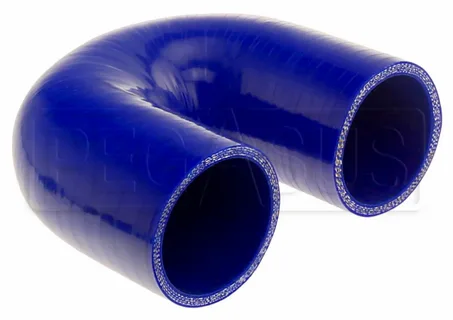
A silicone hose is used in a wide range of fluid-transfer and air-management applications. Its heat-resistant, flexible, and non-reactive properties make it ideal for industries such as automotive, food processing, pharmaceuticals, electrical, and heavy machinery.
Silicone hoses are widely used under the hood due to their resistance to heat, vibration, and pressure. Popular applications include:
Their ability to withstand high heat and pressure makes them preferable to traditional rubber hoses used in older vehicles.
Industries use silicone hose pipe for transferring chemicals, oils, coolants, and hot water. They are commonly found in:
Because silicone is non-toxic and non-reactive, it is safe for sensitive manufacturing environments.
A silicone hose water dispenser is commonly used in RO water purifiers, beverage dispensers, and home filtration units due to its hygienic properties.
Machinery that operates in extreme environments uses silicone hoses for thermal protection. Many modern engines, exhaust systems, generators, and industrial furnaces rely on high-temperature silicone hoses.
In most modern applications, silicone hose is considered superior to rubber hose due to several performance advantages. This is why many high-performance vehicles and industries now prefer silicone.
One of the biggest advantages is the silicone hose temperature rating, which typically ranges from -60°C to +200°C and can go even higher with reinforced designs. Rubber hoses usually fail at around 120°C–130°C.
Silicone hoses remain flexible even in extreme temperatures, unlike rubber hoses which crack or stiffen over time. The ability to handle long-term vibration also makes silicone a reliable choice for engine bay environments.
Silicone does not degrade due to sunlight, ozone, or oxidation. Rubber hoses, however, become brittle and crack when exposed to environmental factors.
Silicone hoses have smoother walls, allowing better airflow and fluid flow. This is especially beneficial for:
Silicone hoses are available in multiple colors and can be customized easily, which is why performance car enthusiasts prefer them.
Feature | Silicone Hose | Rubber Hose |
Temperature Handling | Excellent | Moderate |
Flexibility | High | Medium |
Lifespan | Long | Short |
Weather Resistance | Strong | Weak |
Ideal for High-Performance Engines | Yes | No |
Given these advantages, silicone hoses are widely preferred in automotive, industrial, and commercial applications.
Even though silicone hoses offer multiple benefits, they have certain disadvantages that users should consider before purchase.
Silicone hoses are more expensive than rubber hoses. Costs vary depending on:
This is why many people choose rubber hoses for low-budget or low-temperature setups.
Standard silicone hoses can degrade when constantly exposed to oil or fuel. To avoid this, manufacturers use:
For engine oil systems, rubber hoses may still be the safer choice unless using an oil-rated silicone hose.
Silicone is softer than rubber, which may require additional reinforcement to prevent expansion in high-pressure applications. This is why checking the silicone hose pressure rating is essential before installation.
Silicone hoses require special clamps that do not cut into the material. Standard metal clamps may damage silicone unless designed specifically for soft-wall hoses.
Silicone is slightly permeable to water vapor and air, which may not be ideal for certain equipment like vacuum pumps unless reinforced or specially lined.
Despite these disadvantages, silicone hoses remain the top choice for high-temperature, high-performance, and long-life applications.
To help you choose the right product, here are the major types:
Used for engine coolant systems in cars, trucks, racing vehicles, and heavy-duty machinery.
Used in turbo systems, vacuum lines, and pressure-sensitive automotive components.
Found in HVAC systems, passenger car heaters, and industrial heating equipment.
These hoses manage coolant flow in engines and industrial cooling systems.
Strengthened with polyester or Nomex for higher pressure and extreme temperatures.
India has several major producers of silicone hoses, and demand is growing rapidly due to automotive and industrial expansion.
Top manufacturers include:
When selecting a silicone hose manufacturer or silicone hose pipe manufacturer, always check:
The silicone hose HSN code generally falls under 4009, covering tubes, pipes, and hoses made of vulcanized rubber or silicone compounds.
Most high-quality hoses support:
Varies depending on:
Look for hoses meeting:
Silicone hoses are an excellent choice for applications requiring heat resistance, durability, and long-term reliability. Whether you need a silicone radiator hose, silicone vacuum hose, silicone heater hose, or special high-temperature industrial hoses, silicone provides superior performance compared to rubber. Always consider the silicone hose temperature rating, pressure rating, and choose reliable silicone hose manufacturers in India or global suppliers for best results.
Silicone hoses are an excellent choice for applications requiring heat resistance, durability, and long-term reliability. Whether you need a silicone radiator hose, silicone vacuum hose, silicone heater hose, or special high-temperature industrial hoses, silicone provides superior performance compared to rubber. Always consider the silicone hose temperature rating, pressure rating, and choose reliable silicone hose manufacturers in India or global suppliers for best results.
A silicone hose is used for fluid transfer, air management, and thermal protection in automotive engines, industrial equipment, food processing systems, pharmaceuticals, and household appliances. Its heat resistance, flexibility, and non-reactive nature make it ideal for high-performance applications.
Yes. Silicone hoses typically outperform rubber hoses in temperature resistance, flexibility, UV resistance, and overall lifespan. They can handle -60°C to +200°C (and higher with reinforcement), while rubber hoses degrade faster and usually fail around 120°C–130°C. Silicone is preferred for high-performance engines and demanding industrial environments.
Most high-quality silicone hoses support:
Continuous use: -60°C to 200°C
Short bursts: up to 230°C
Reinforced or specialized hoses can tolerate even higher temperatures.
Yes, but pressure tolerance depends on hose wall thickness, reinforcement layers, and inner diameter. Silicone hose pressure ratings generally range from 20 psi to 200 psi, with multi-layer reinforced hoses capable of handling significantly higher loads.
Fast global shipping
OEM and aftermarket parts
Compatibility lookup tools
Customer reviews
Many online retailers stock parts for Yamaha, Mercury, Honda, Suzuki, Tohatsu, and Parsun.
Some disadvantages include:
Higher cost compared to rubber
Not ideal for constant oil or fuel exposure (unless fluorosilicone-lined)
Softer material that may expand under pressure
Requires special clamps to avoid cutting the hose
Slight permeability to water vapor and air
Despite these limitations, silicone remains the best choice for high-temperature and long-life applications.

At AlphaFlex, we believe that sustainability and innovation go hand in hand. Our manufacturing processes are designed to minimize environmental impact, with energy-efficient operations and waste reduction strategies integral to our production ethos.
We invite boat builders, distributors, and marine enthusiasts to partner with AlphaFlex
© 2025 Created by UniSol
WhatsApp us