Powerboating has become one of the most exciting, fast-growing water activities worldwide. Whether you are someone who loves high-speed adventure, a boating enthusiast interested in handling powerful boats, or a learner searching for a powerboating course or powerboating level 1 training, understanding the fundamentals is essential before stepping into the world of motor-powered boating.
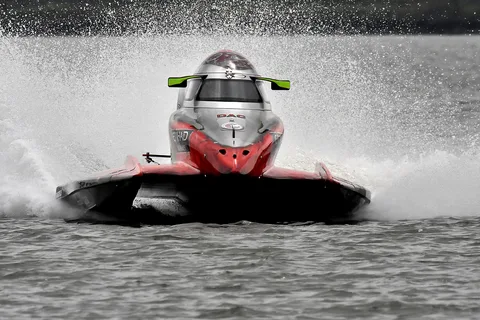
Powerboating refers to the activity of driving or riding in a motor-powered boat. Unlike sailing, which uses wind, powerboating involves boats propelled by engines—either inboard, outboard, or jet propulsion systems. These boats are designed for speed, control, and performance on various water bodies such as lakes, rivers, and seas.
According to Collins Dictionary, powerboating involves travelling in a motor-driven boat, often for sport, recreation, or training. People engage in powerboating for many purposes, including leisure cruising, racing, fishing, rescue operations, or professional marine activities.
Today, beginners often enroll in structured learning programs like powerboating level 1 and powerboating level 2 courses to understand boat handling, navigation rules, docking, and safety essentials.
A powerboat is defined as any watercraft powered primarily by a mechanical engine rather than sails or human effort. Dictionary.com describes a powerboat as a “boat propelled by an engine,” highlighting its key characteristic—mechanical propulsion.
A typical powerboat includes:
Safety equipment like life jackets and communication devices
Powerboats come in various types, such as:
Beginners learning through a powerboating course usually start with RIBs or small sports boats due to their stability and ease of handling.
Yes, powerboating is widely recognized as an international sport.
The World Games lists Powerboating as an official category, showcasing thrilling competitions that include high-speed racing, navigation challenges, and endurance events. Athletes compete in different boat types, engine categories, and race formats.
Powerboating as a sport involves:
The sport requires skill, precision, and strict adherence to safety rules. Many professional racers start with training levels like powerboating level 2, which teach essential maneuvering, high-speed control, and emergency response.
Even at the recreational level, enthusiasts worldwide—from the U.S. to powerboating Canada—actively practice the sport during holidays and boating seasons.
Any boat driven by an engine can be considered a powerboat. The classification includes:
These include family cruisers, small motorboats, jet boats, and personal watercraft.
Used in courses such as powerboating level 1 and powerboating level 2, often RIBs or sports boats that are stable and beginner-friendly.
Used by coast guards, rescue teams, law enforcement, and marine patrol units.
Offshore racing boats that participate in global competitions and extreme-speed events.
Used for water sports, fishing, and long-distance cruising.
Whether you are taking formal training or simply searching for powerboating courses near me, understanding these categories helps you choose the right type of boat for your objectives.
Learning powerboating is easier today thanks to structured training programs offered by boating schools worldwide. These programs ensure you gain confidence in handling a motorboat safely and responsibly.
Below are the common levels:
This beginner-friendly course covers:
It is ideal for young learners, hobby boaters, and newcomers.
One of the most popular certifications, powerboating level 2 includes:
This certification is often required to obtain a powerboating license in many countries.
When looking for a powerboating course, consider:
Good training makes powerboating made easy, especially for beginners who may feel nervous about controlling a fast, engine-powered craft.
Yes, many countries require a powerboating license to drive motorboats legally, especially powerful or fast boats.
Licensing rules differ by region:
Even in countries where a license is not mandatory, completing a recognized course significantly increases safety and insurability.
Powerboating has rapidly grown due to:
As more people search for powerboating magazine articles, video tutorials, and professional guides, the sport continues to evolve with new technology and safety innovations.
The Powerboating World Games attract thousands of fans due to their adrenaline-packed performances. Athletes demonstrate:
For those inspired by professional events, training programs starting from powerboating level 1 to advanced courses help build the skills needed for competitive participation.
Whether for leisure or profession, powerboating remains one of the most rewarding water activities.
Powerboating is an exciting mix of adventure, skill, and sport. Whether you want to pursue professional racing, explore new waters, or simply enjoy weekend rides with family, learning proper techniques through a powerboating course will ensure safety and long-term enjoyment.
As global interest continues to grow—from casual hobbyists to competitive racers—powerboating remains one of the most dynamic and engaging water activities today.
Powerboating is the activity of riding or operating a motor-powered boat for recreation, training, sport, or professional use.
Any engine-driven watercraft—from small RIBs to racing boats—is considered a powerboat.
Yes. Powerboating is an internationally recognized sport featured in the World Games, with multiple competitive categories.
In many regions, yes. Certifications like powerboating level 2 often act as a valid license.
Beginner courses like powerboating level 1 are easy, while level 2 offers deeper learning. Training schools ensure safety and comfort.
Most coastal cities and boating clubs offer certified programs. Search your local training centers for availability.
Powerboating is popular in the U.S., UK, Australia, and powerboating Canada, as well as coastal regions around the world.

At AlphaFlex, we believe that sustainability and innovation go hand in hand. Our manufacturing processes are designed to minimize environmental impact, with energy-efficient operations and waste reduction strategies integral to our production ethos.
We invite boat builders, distributors, and marine enthusiasts to partner with AlphaFlex
© 2025 Created by UniSol
WhatsApp us