The marine helm is one of the most critical control centers on any vessel, whether it is a small recreational boat, a commercial ship, or a naval vessel. From executing precise helmsman commands to operating modern marine helm command systems, the helm plays a central role in navigation, safety, and maneuverability at sea.
In this guide, we explore what a helm means in marine terms, how ship helms work, who controls the helm, and how standardized helmsman orders and commands ensure smooth vessel operations. This article is designed for maritime students, deck cadets, boat owners, and professionals seeking clarity on helm operations.
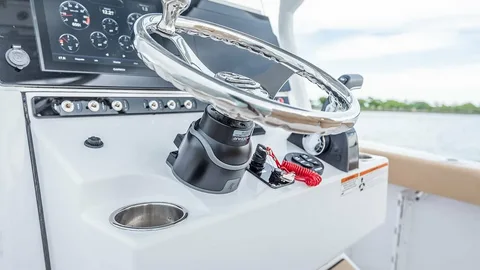
In marine terminology, the helm refers to the steering position or control station of a vessel. It is where the ship’s direction is controlled and where steering orders are executed. The helm typically includes:
Historically, the helm was a simple tiller attached directly to the rudder. Today, it has evolved into a sophisticated marine helm command system that integrates navigation, propulsion, and safety technologies.
In essence, the helm is the operational heart of the vessel’s steering system.
“Ease to 10” is a standard helmsman command used on ships, particularly in commercial and naval operations. It instructs the helmsman to reduce the rudder angle smoothly until it reaches 10 degrees from its previous position.
For example:
Such structured helmsman command and response protocols minimize confusion and ensure precise maneuvering.
The helmsman controls the helm under the supervision of the officer of the watch (OOW) or the ship’s master. The helmsman does not make independent navigational decisions but executes steering orders exactly as given.
In naval and merchant vessels, helm control follows strict chain-of-command procedures, especially when executing complex maneuvers using standardized helmsman navy commands.
Modern ship helms function through a combination of mechanical, hydraulic, and electronic systems.
These systems allow seamless communication between navigation equipment and helm controls, improving accuracy and safety.
A marine helm command system is an integrated platform that enables centralized control of steering, navigation, and vessel responses. Many systems now offer digital helm interfaces and command logging features.
Professionals often refer to marine helm command system PDF manuals to learn standardized commands and responses used globally.
Standardized helmsman orders and commands ensure uniform communication across maritime operations.
Each command is followed by a mandatory verbal response from the helmsman, confirming understanding and execution.
This closed-loop communication system reduces errors, especially during high-pressure situations such as docking, collision avoidance, or narrow-channel navigation.
In naval operations, helm commands follow rigid procedural standards. Helmsman Navy training emphasizes discipline, repetition, and situational awareness.
These practices are critical for tactical maneuvers, fleet formations, and combat readiness.
The best marine helm command system depends on vessel size, purpose, and operational requirements. Modern systems prioritize:
Smart helm systems are increasingly used in autonomous and semi-autonomous marine operations, redefining how helms are managed at sea.
The marine helm is more than just a steering mechanism—it is the execution point of navigational decisions. Proper helm handling ensures:
Understanding helm operations is fundamental for anyone pursuing a maritime career.
The marine helm remains a cornerstone of maritime operations, blending tradition with modern technology. From classic helmsman commands to advanced marine helm command systems, the helm ensures vessels respond precisely to navigational decisions.
Whether you are a deck cadet learning helmsman order and commands, a professional operating advanced helm systems, or an enthusiast exploring ship steering, understanding the helm is essential for safe and efficient maritime navigation.
A helm is the steering control station of a vessel where navigation and directional commands are executed.
Helm commands are given by the officer of the watch or the ship’s master and executed by the helmsman.
It is an order instructing the helmsman to reduce rudder angle smoothly to 10 degrees.
Yes, standardized helmsman commands are used globally, especially in merchant and navy operations.
It is an integrated system that combines steering, navigation, and control interfaces for efficient vessel handling.
It ensures clear communication, prevents errors, and enhances safety during vessel maneuvers

At AlphaFlex, we believe that sustainability and innovation go hand in hand. Our manufacturing processes are designed to minimize environmental impact, with energy-efficient operations and waste reduction strategies integral to our production ethos.
We invite boat builders, distributors, and marine enthusiasts to partner with AlphaFlex
© 2025 Created by UniSol
WhatsApp us