
Helm systems play a crucial role across multiple industries – from the marine world, where a “helm” controls a boat, to the tech world, where Helm software simplifies Kubernetes deployments. In recent years, the term has expanded into diverse fields including helm surgical systems, helm business information systems, and more.
This comprehensive guide explains helm systems in all their forms – software, marine, medical, and enterprise -along with real-world examples and best-use scenarios.
Helm software is a package manager designed for applications running on Kubernetes. Often referred to as “the Kubernetes equivalent of apt or yum,” Helm allows developers to define, install, and upgrade complex Kubernetes applications through reusable, versioned templates known as Helm charts.
Helm is widely used for large-scale DevOps workflows, cloud-native deployments, and microservice-based architectures. Companies aiming for simplified orchestration rely on Helm as one of their core helm system solutions.
Although Helm and Kubernetes work together, they serve different purposes:
Manages pods, deployments, scaling, and services
In short: Kubernetes manages containers; Helm manages Kubernetes applications.
No—Helm is not a CI/CD tool. Instead, it integrates with CI/CD pipelines to improve deployment automation.
CI tools build and test code, CD tools deploy it, and Helm charts package the deployment configuration. So Helm enhances CI/CD but is not a CI/CD tool itself.
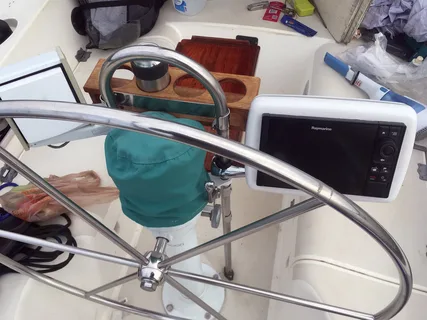
In boating, the helm is the control area where the captain operates the vessel. It includes:
Modern helm systems may also include digital screens, GPS, radar, and sonar integration.
Maintaining and upgrading your steering system ensures safe, effortless navigation.
Tilt adapters for helm ergonomics.
In healthcare, helm surgical systems include:
These systems improve accuracy, reduce errors, and enhance patient safety.
Enterprises use helm business information systems for:
These tools improve productivity and help companies make better decisions.
Tracking productivity
A simple non-technical helm required example:
This shows how the term “helm” applies across industries.
✔ Safer maneuvering
✔ Better navigation
✔ Smooth steering
✔ Reduced fatigue for the captain
Use dashboards to track KPIs
Helm systems are essential in software engineering, marine navigation, healthcare, and enterprise operations. Whether you are learning what Helm software is used for, comparing Helm vs. Kubernetes, or exploring helm system solutions for marine or medical applications, understanding helm systems across industries helps in making better decisions.
A Helm system refers to any control, management, or operational setup used across industries such as marine navigation, software deployment, surgery, and business automation. The most common uses include boat helm steering systems and Helm software for Kubernetes applications.
Helm is used to deploy, manage, version, and update Kubernetes applications. It simplifies configuration through reusable templates called Helm charts, making cloud-native deployments easier and faster.
No. Kubernetes manages containers and workloads, while Helm manages Kubernetes applications. Helm works on top of Kubernetes to simplify installation, scaling, and updates.
A marine helm system is the control area of a boat consisting of the steering wheel, throttle, navigation instruments, and electronic displays. It allows the captain to steer and manage the vessel safely.
A reliable helm control system ensures smoother steering, safer maneuvering, better navigation, and reduced fatigue for the captain, especially during long journeys or rough waters.

At AlphaFlex, we believe that sustainability and innovation go hand in hand. Our manufacturing processes are designed to minimize environmental impact, with energy-efficient operations and waste reduction strategies integral to our production ethos.
We invite boat builders, distributors, and marine enthusiasts to partner with AlphaFlex
© 2025 Created by UniSol
WhatsApp us