
Fishnet lights play a crucial role in the fishing industry, especially in commercial and offshore operations. Designed to enhance visibility, safety, and efficiency, these specialized lighting solutions are commonly attached to fishing nets, traps, and gear to signal presence and attract marine life. With advancements in marine-grade materials and LED technology, fishnet lights have become more durable, energy-efficient, and reliable in harsh sea conditions.
This comprehensive guide explains what fishnet lights are, how they work, what fishnets are made of, and why they are essential for modern fishing operations.
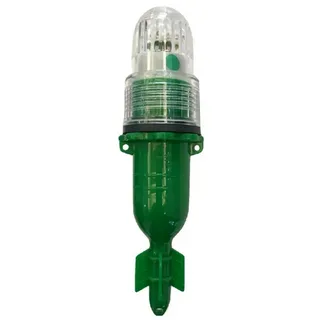
Fishnet lights are specialized marine lighting devices installed on fishing nets to improve underwater visibility and signal the presence of nets to nearby vessels. These lights are widely used in trawling, gillnet fishing, and longline operations. Typically waterproof and corrosion-resistant, fishnet lights are designed to function efficiently in saltwater environments for extended periods.
Fishnet lighting fixtures are commonly manufactured using high-impact plastic or marine-grade polymers, ensuring durability and resistance to pressure and temperature fluctuations. Modern fishing net light fixtures often use LED technology due to its low power consumption and high luminosity.
Fishnets work by creating a physical barrier that traps fish as they swim into or through the mesh. The addition of fishnet lights enhances this process by increasing visibility and signaling.
Fishnet lights function in two primary ways:
Many modern fishnet lights are light-sensitive, meaning they automatically turn on in low-light conditions and switch off during daylight. This automation improves energy efficiency and extends the lifespan of the fishing net light weight and internal components.
Yes, fishing net lights are known to attract fish. Many species are phototactic, meaning they respond to light stimuli. Light attracts plankton, which in turn attracts smaller fish, followed by larger predatory fish. This natural food chain reaction makes fishnet lights an effective tool for increasing fishing yields.
Different wavelengths of light may attract different species. For example:
Using the right fishing net light shade can significantly improve catch rates while minimizing bycatch.
Modern fishnets are made from synthetic materials designed for strength, flexibility, and resistance to environmental damage. Common materials include:
These materials are lightweight, durable, and resistant to water absorption. Lightweight fishnet construction reduces drag in water and improves handling efficiency. Fishnet lights are engineered to complement these materials without adding excessive weight or causing net distortion.
The integration of fishing net light weight considerations ensures that the net maintains its natural movement in water, preserving fishing effectiveness.
A fish net is used to capture fish and other aquatic organisms efficiently. Depending on the fishing method, fishnets can be deployed in rivers, coastal waters, or deep-sea environments. Common uses include:
Fishnet lights are also increasingly used in non-fishing contexts, such as fishnet lighthouse decor, fishnet Christmas lights, and fishing net light fixtures for themed interiors. These decorative applications borrow inspiration from traditional marine lighting designs.
There are several types of fishnet lights available, each designed for specific fishing conditions:
Highly energy-efficient and long-lasting, LED fishnet lights are the most popular choice today. They offer high brightness with minimal power consumption.
These lights automatically activate in low-light conditions, making them ideal for overnight fishing operations.
Easy to install and replace, these are commonly used for short-term fishing activities.
Used in some coastal regions, these reduce dependency on disposable batteries.
Each fishing net light fixture is designed with waterproof sealing to withstand continuous immersion in seawater.
Using fishnet lights offers multiple advantages for fishermen and marine operators:
Additionally, fishnet lighting fixtures are designed to meet marine safety standards, ensuring compliance with international fishing regulations.
Fishnet lights have found applications beyond commercial fishing. Decorative lighting designers use fishnet light shades and lightweight fishnet structures to create nautical-themed interiors. Fishnet Christmas lights are popular in coastal homes, restaurants, and marine-themed events.
Fashion and décor trends have also adapted the concept of light fishnet tights and netted lighting aesthetics, blending industrial marine elements with modern design.
When selecting a fishnet light, consider the following factors:
Choosing the correct fishnet lighting fixture ensures long-term performance and optimal fishing results.
Fishnet lights are an essential component of modern fishing operations, offering improved safety, efficiency, and catch rates. Whether used for commercial fishing, aquaculture, or decorative purposes, these lights provide reliable performance in challenging marine environments. With options ranging from automatic LED systems to decorative fishnet lighthouse designs, fishnet lights continue to evolve in both function and style.
Fishnet lights improve visibility and attract fish by emitting light underwater, making nets easier to locate and more effective during fishing.
Yes, fishing net lights attract plankton and smaller fish, which leads to increased fish activity around the net.
Fishnets are typically made from nylon, polyethylene, or polypropylene for strength and durability.
Fish nets are used for catching fish, aquaculture, marine research, and decorative marine-themed applications.

At AlphaFlex, we believe that sustainability and innovation go hand in hand. Our manufacturing processes are designed to minimize environmental impact, with energy-efficient operations and waste reduction strategies integral to our production ethos.
We invite boat builders, distributors, and marine enthusiasts to partner with AlphaFlex
© 2025 Created by UniSol
WhatsApp us