A boat steering helm is the heart of a vessel’s steering system. Whether you operate a small recreational boat, a fishing craft, or a commercial vessel, the helm is the control point that translates the skipper’s input into smooth, responsive directional movement. Understanding how a boat steering helm works, the different components involved, and when to consider repair or replacement is essential for safety, comfort, and performance on the water.
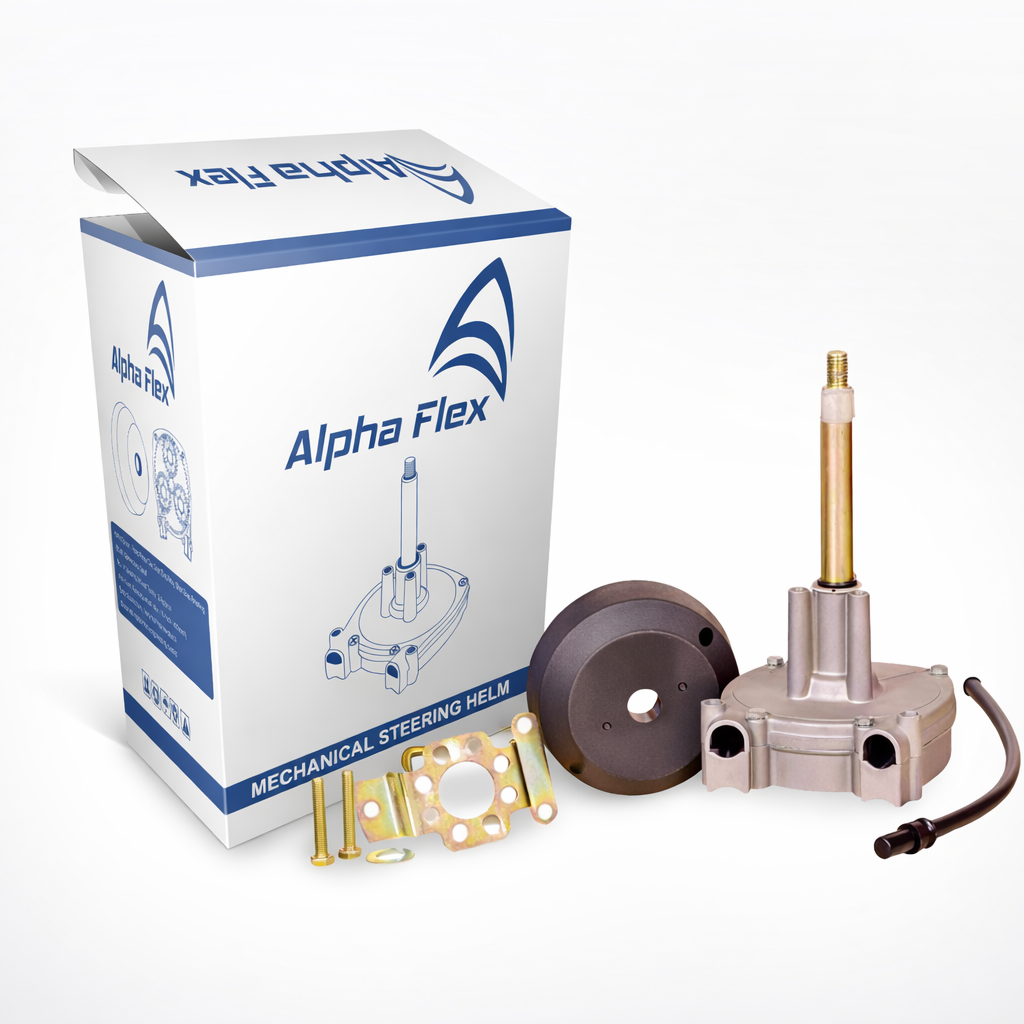
A steering helm is the mechanical or hydraulic control unit located at the boat’s console that allows the operator to steer the vessel. When you turn the steering wheel, the helm converts that rotational motion into linear or hydraulic force, which is then transferred through cables or hoses to the rudder or outboard motor.
In simple terms, the boat steering helm is the interface between the steering wheel and the steering mechanism. Without a properly functioning helm, even the most powerful engine cannot be controlled accurately.
Modern boats may use mechanical, rotary, rack-and-pinion, or hydraulic helm systems depending on boat size, engine horsepower, and intended use.
The primary role of the boat steering helm is to control the direction of the boat. It performs several important functions:
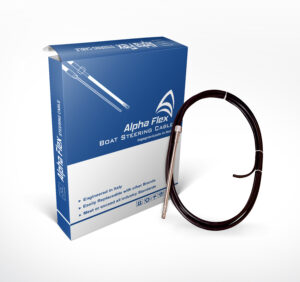
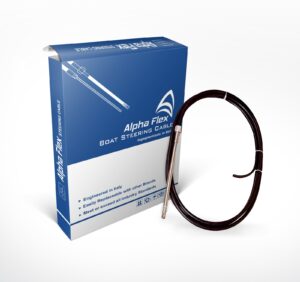
In systems using a boat steering helm and cable, the helm pushes or pulls a steering cable connected to the engine or rudder. In hydraulic systems, the helm acts as a pump, pushing hydraulic fluid to move the steering ram.
A reliable helm ensures smooth turns, predictable handling, and safer navigation, especially in rough water or at higher speeds.
In marine terminology, the word helm refers broadly to the steering position or steering apparatus of a vessel. Historically, it described the tiller or wheel used to control a ship’s rudder. Today, it encompasses the entire steering control unit, including:
The boat steering helm parts work together as a system, ensuring that steering input is transmitted efficiently and reliably from the operator to the water.
While closely related, a helm is not the same as a steering wheel. The steering wheel is only one visible component of the system. The boat steering helm sits behind the wheel and performs the mechanical or hydraulic work needed to steer the boat.
Think of it this way:
Together, these components form a complete boat steering system.
Different boats require different helm designs based on performance demands and engine size.
Mechanical helms are common on small to mid-size boats. They typically use a rotary or rack-and-pinion design connected to a steering cable.
A boat steering helm pump is used in hydraulic systems. Turning the wheel moves hydraulic fluid, which actuates a steering cylinder at the engine or rudder.
Some boats use a boat steering helm extension or tilt mechanism to improve ergonomics and operator comfort. These systems allow the wheel angle or distance to be adjusted without affecting steering performance.
A boat steering helm kit usually includes all essential components needed for installation or upgrade, such as:
Kits are designed to ensure compatibility between parts, making them a preferred option for new installations or complete system replacements.
A boat steering helm diagram helps visualize how each component connects within the system. It typically shows:
Studying a diagram is useful for troubleshooting, routine inspections, or when planning a boat steering helm replacement.
The boat steering helm bracket secures the helm unit to the console or dashboard. Proper mounting is crucial because:
A loose or damaged bracket can cause steering play and should be addressed immediately.
Over time, helms can wear due to corrosion, heavy use, or lack of maintenance. Common signs that indicate the need for boat steering helm repair include:
Minor issues such as seals or bearings may be repairable. However, severe internal wear or corrosion often makes boat steering helm replacement the safer and more cost-effective choice.
Key boat steering helm parts include shafts, gears, seals, bearings, and mounting components. Regular inspection and proper lubrication help extend service life.
Maintenance best practices:
Preventive care reduces the risk of sudden steering failure and improves overall boating safety.
When selecting a boat steering helm, consider:
Using the correct helm ensures optimal handling, longevity, and compliance with marine safety standards.
A boat steering helm is far more than just a mounting point for the steering wheel. It is a precision control device that plays a vital role in vessel handling, safety, and comfort. From understanding what a helm does on a boat to choosing the right helm kit, bracket, or pump, informed decisions help ensure smooth and reliable steering performance for years to come.
Below are some frequently asked questions to further clarify common concerns.
A steering helm is the control mechanism behind the steering wheel that converts wheel movement into steering action for the boat.
The helm controls the direction of the vessel by transmitting steering input to the engine or rudder through mechanical or hydraulic means.
In marine usage, a helm refers to the steering apparatus or steering position of a boat or ship.
No, the steering wheel is only one component. The helm is the internal mechanism that makes steering possible.
Replacement is recommended when steering becomes excessively stiff, noisy, or unreliable, or when internal components are severely worn.
By understanding how a boat steering helm works and maintaining it properly, boat owners can enjoy safer, smoother, and more confident time on the water.

At AlphaFlex, we believe that sustainability and innovation go hand in hand. Our manufacturing processes are designed to minimize environmental impact, with energy-efficient operations and waste reduction strategies integral to our production ethos.
We invite boat builders, distributors, and marine enthusiasts to partner with AlphaFlex
© 2025 Created by UniSol
WhatsApp us