
The boat helm and consoles form the operational heart of any vessel. Whether you are navigating a small recreational boat or a large motor yacht, the helm is where all critical decisions are made. From steering and throttle control to navigation systems and safety instruments, the helm area plays a central role in safe and efficient boating.
Understanding what a boat helm is, where it is located, and how consoles are designed helps boat owners, operators, and enthusiasts gain better control, comfort, and confidence on the water. This guide explains everything you need to know about boat helms and consoles, their purpose, components, and variations across different types of boats.
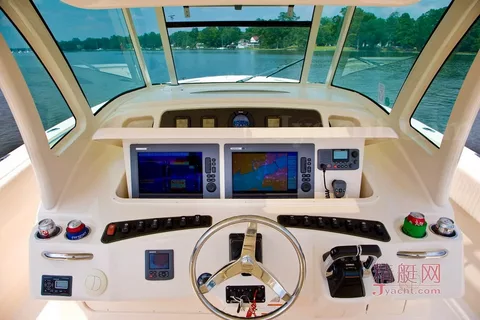
The helm on a boat is the position from which the vessel is controlled and navigated. It is essentially the boat’s command center. The helm includes the steering mechanism and the controls required to operate the boat’s speed, direction, and onboard systems.
At the helm, the operator manages:
In simple terms, if you are “at the helm,” you are in charge of steering and controlling the boat.
The helm area of a boat refers to the complete operational zone surrounding the helm. This includes not only the steering controls but also the supporting structure and equipment that allow the operator to steer safely and comfortably.
The helm area typically consists of:
A well-designed helm area improves visibility, reduces fatigue, and enhances overall boating safety.
The location of the helm of a boat depends on the vessel type and design. However, it is always positioned to give the operator maximum visibility and control.
Common helm locations include:
Regardless of placement, the helm must allow clear views of the water, obstacles, and instruments.
The word helm originates from Old English and means “rudder” or “steering gear.” Over time, it came to represent the entire steering and control position on a vessel.
Today, when someone says:
In boating terminology, helm symbolizes leadership, responsibility, and control.
A boat helm console is the structural unit that holds the steering wheel, controls, and electronic instruments. Consoles are designed to protect sensitive equipment while keeping everything within easy reach of the operator.
Helm consoles vary widely in size, shape, and material depending on the boat’s purpose.
Different boats use different console styles to match their operational needs:
Found on fishing and sport boats, offering open access and excellent visibility.
Typically used on smaller boats, positioned to one side to save space.
Enclosed or semi-enclosed units with advanced controls, common on cruisers and yachts.
Each type of boat helm console is designed to balance space, protection, and functionality.
Accurate measurement is critical when selecting a replacement cable. A cable that is too short or too long can affect performance and routing.
General measurement principles include:
Correct measurement ensures smooth operation and reduces stress on internal components.
Boat helm pads and boat helm pad accessories are designed to improve comfort and reduce fatigue for the operator, especially during long hours on the water.
Benefits of helm pads include:
These pads are often made from marine-grade materials to resist water, UV exposure, and wear.
Boat helm seats are specially designed for comfort, safety, and visibility. Unlike standard seating, helm seats often include features such as:
Proper seating at the helm ensures better posture, improved reaction time, and reduced operator fatigue.
While researching helms, you may come across terms that are not directly related to marine controls but still appear in searches.
These terms are commonly searched but are not part of actual boat helm systems.
The helm is directly linked to safe boat operation. A poorly designed or cluttered helm can lead to:
A clean, well-organized helm with a functional console allows the operator to focus fully on navigation and surroundings.
Modern boat helms integrate advanced technology, including:
These innovations make boating safer, more efficient, and more enjoyable for operators of all experience levels.
The boat helm and consoles represent far more than just a steering wheel and dashboard—they are the true command center of a vessel. From understanding what the helm means to knowing where it is located and how consoles are designed, mastering helm knowledge is essential for every boater.
Whether you are upgrading your boat, learning to operate one, or simply expanding your maritime knowledge, understanding the helm helps you appreciate the precision, safety, and control required on the water.
The helm is the control position where the boat is steered and navigated.
A helm console houses the steering wheel, engine controls, gauges, switches, and navigation equipment.
The helm is usually positioned for maximum visibility, commonly at the center, side, or inside the cabin depending on boat type.
Boat helm pads improve comfort and reduce fatigue, especially in rough water conditions.
No. “Boat helmet” is not a standard boating term and is unrelated to helm systems.

At AlphaFlex, we believe that sustainability and innovation go hand in hand. Our manufacturing processes are designed to minimize environmental impact, with energy-efficient operations and waste reduction strategies integral to our production ethos.
We invite boat builders, distributors, and marine enthusiasts to partner with AlphaFlex
© 2025 Created by UniSol
WhatsApp us