A steering boat cable is one of the most critical yet often overlooked components in a boat’s control system. Whether you operate a small fishing boat, pontoon, or recreational powerboat, the steering cable directly affects maneuverability, safety, and overall handling. Understanding how a boat steering cable works, how to choose the right type, and when replacement is needed can help boat owners avoid costly failures and enjoy smoother operation on the water.
This guide explains everything you need to know about steering boat cables, including how they work, common types, sizing considerations, and frequently asked questions.
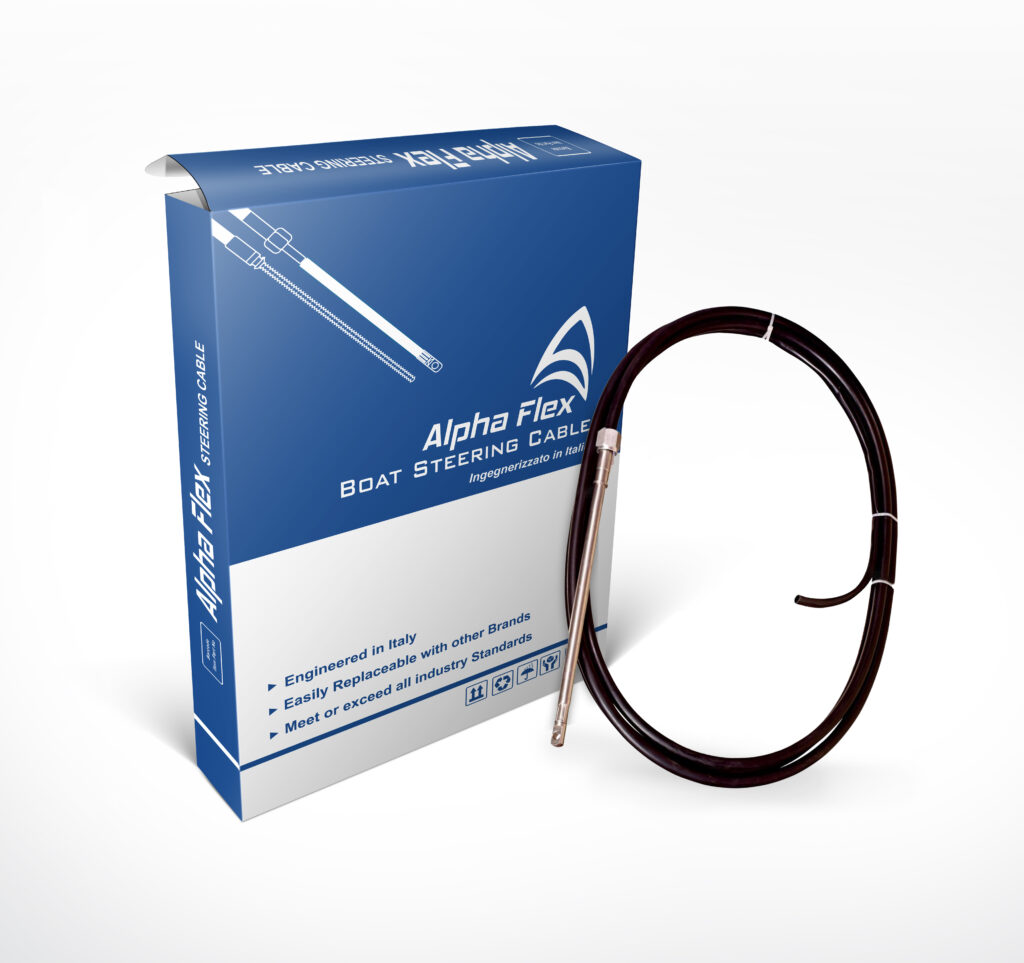
A boat steering cable is a mechanical control cable that transfers steering input from the helm (steering wheel) to the outboard motor or rudder. When the wheel is turned, the cable moves inside its protective casing, pushing or pulling the engine to change the boat’s direction.
Boat steering cables are commonly used in:
Compared to hydraulic systems, cable steering systems are simpler, lighter, and more affordable, making them popular for recreational boating.
Cable steering on a boat operates through a push-pull mechanism. When the steering wheel is turned, it rotates a helm gear that moves the inner cable back and forth inside the outer sheath. This movement is transferred to the engine’s steering arm, allowing the motor to pivot left or right.
Key components involved include:
This straightforward design is why mechanical steering cables remain widely used, especially for boats with lower horsepower requirements.
There are several boat steering cable types, each designed for different boat layouts and steering needs:
Rotary systems use a round helm gear that rotates as the wheel turns. These are common in smaller boats and are easy to install.
This system uses a linear rack gear connected to the cable. Rack systems provide smoother control and are often found in mid-sized boats.
Some boats use two steering cables for added control and reduced torque feedback. Dual cable systems are especially useful in higher horsepower applications where steering resistance can be significant.
Understanding the correct type of steering cable is essential when planning installation or replacement.
Choosing the correct boat steering cable measurement is crucial for safe operation. While exact measurement methods vary by manufacturer, the goal is to ensure the cable is long enough to route smoothly without sharp bends but not so long that it causes slack.
Signs that a steering cable may be the wrong size include:
Using the correct cable size ensures proper movement, reduced wear, and longer system life.
Some boats are equipped with dual steering cables to improve handling and reduce steering effort. Two cables balance the steering load, minimizing engine torque feedback felt at the wheel.
Benefits of dual steering cables include:
Boats with higher horsepower engines or heavier loads often benefit the most from this setup.
Regular boat steering cable lubrication is essential to keep the system functioning smoothly. Over time, moisture, salt, and debris can enter the cable housing, leading to stiffness or corrosion.
Good maintenance practices include:
Neglecting maintenance can lead to steering cable problems that compromise safety on the water.
Like any mechanical component, steering cables can develop issues over time. Common boat steering cable problems include:
If left unaddressed, these issues may lead to complete steering failure, making timely inspection and replacement critical.
When a cable shows signs of wear or damage, boat steering cable replacement becomes necessary. Replacement may involve:
The boat steering cable replacement cost varies depending on boat size, cable type, and installation complexity. While the cost can differ by region (including places like boat steering cable NZ markets), investing in a quality cable ensures reliability and long-term performance.
The boat steering cable bracket plays a crucial role in securing the cable to the engine and maintaining proper alignment. A loose or damaged bracket can lead to steering play or uneven movement.
High-quality brackets help:
Always ensure brackets and mounting hardware are compatible with your steering cable type.
Most recreational boats still rely on mechanical or hydraulic steering systems. While steer-by-wire technology exists in advanced marine applications, traditional boat steering cables remain the most common solution for small to mid-sized boats due to their simplicity and reliability.
A steering boat cable is a vital component that directly impacts control, safety, and performance on the water. From understanding how cable steering works to recognizing when replacement is necessary, proper knowledge helps boat owners make informed decisions. With correct sizing, regular maintenance, and quality components, a boat steering cable can provide years of dependable service.
With proper maintenance and lubrication, a boat steering cable can last several years. Exposure to saltwater and lack of upkeep may shorten its lifespan.
Minor issues may be addressed temporarily, but most steering cable problems require full replacement for safety reasons.
A steering cable that is too long may create excess slack, leading to poor steering response and uneven control.
No. Boat steering cable types vary based on engine size, boat layout, and steering system design.
Yes. Mechanical steering cables remain reliable and widely used, especially for smaller boats and moderate horsepower applications.

At AlphaFlex, we believe that sustainability and innovation go hand in hand. Our manufacturing processes are designed to minimize environmental impact, with energy-efficient operations and waste reduction strategies integral to our production ethos.
We invite boat builders, distributors, and marine enthusiasts to partner with AlphaFlex
© 2025 Created by UniSol
WhatsApp us