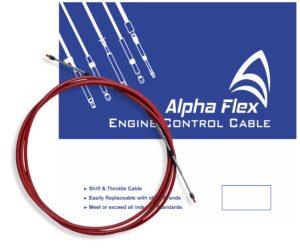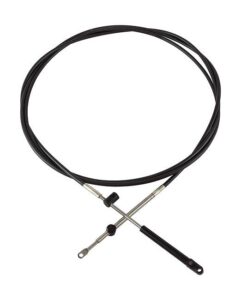
Boat shift cables play a critical role in the smooth operation of any motorized boat. Whether you own an outboard, inboard, or sterndrive vessel, the shift cable ensures precise gear changes between forward, neutral, and reverse. A failing or poorly maintained shift cable can lead to delayed shifting, stiff controls, or even complete loss of gear engagement—issues that directly affect safety and performance on the water.
This detailed guide explains everything you need to know about boat shift cables, including how they work, common problems, lubrication, adjustment, measurement, and replacement considerations. If you’re a boat owner, technician, or marine enthusiast, understanding boat shift cable systems will help you maintain reliability and extend the life of your control components.
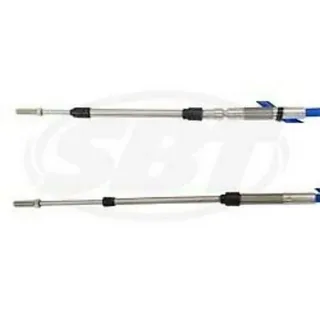
A boat shift cable is a mechanical control cable that connects the helm-mounted control lever to the boat’s transmission or outboard engine. When you move the throttle or shift lever, the cable transfers that motion to engage or disengage gears.
Boat shift cables are commonly paired with throttle cables and are designed to withstand harsh marine environments, including moisture, salt exposure, and vibration. High-quality cables ensure smooth shifting and consistent engine response.
The primary function of a boat shifter cable is to control gear selection. It allows the operator to shift the engine into forward, neutral, or reverse with precision. Unlike throttle cables, which control engine speed, shift cables focus solely on gear engagement.
A properly functioning shift cable:
When the cable begins to wear out, gear engagement may feel delayed, stiff, or inconsistent – clear signs that attention is needed.
Recognizing early signs of failure can prevent more serious mechanical issues. Common boat shift cable problems include:
Over time, internal corrosion, cable stretching, or damaged liners can degrade performance. In saltwater environments, deterioration may occur faster if the cable is not properly sealed or maintained.
Boat shift cables are durable, but they are not immune to wear. Some of the most frequent issues include:
Moisture intrusion can cause rust inside the cable housing, leading to stiffness and eventual failure.
Sharp bends, improper routing, or damaged liners can cause the cable to bind, making shifting difficult.
A damaged boat shift cable end can cause sloppy shifting or complete loss of gear control.
Boat shift cable bellows protect the cable where it passes through the transom. Cracked or torn bellows allow water intrusion, accelerating cable failure.
Proper boat shift cable lubrication is essential for smooth operation and longevity. While many modern cables are designed to be low-maintenance, periodic inspection is still important.
Maintenance tips include:
If lubrication is recommended by the manufacturer, use marine-grade products specifically designed for control cables.
Correct boat shift cable adjustment ensures proper gear engagement and prevents premature wear. An incorrectly adjusted cable can cause the transmission to partially engage gears, leading to slippage or grinding.
Adjustment typically involves:
Adjustment procedures vary by engine type, so manufacturer guidelines should always be followed.
Accurate measurement is critical when selecting a replacement cable. A cable that is too short or too long can affect performance and routing.
General measurement principles include:
Correct measurement ensures smooth operation and reduces stress on internal components.
Boat shift cable replacement becomes necessary when lubrication and adjustment no longer restore smooth operation. Replacement is common during engine upgrades, control system overhauls, or after long-term wear.
Signs replacement is needed:
Choosing the correct replacement cable ensures compatibility with your control system and engine type.
The boat shift cable replacement cost depends on several factors, including cable length, brand, construction quality, and installation complexity. Costs may vary for outboard versus inboard engines and based on whether professional installation is required.
While cost is an important consideration, prioritizing durability and compatibility is essential for long-term reliability and safety.
When selecting a shift cable, consider:
High-quality cables reduce maintenance needs and improve control responsiveness, especially in demanding boating conditions.
Reliable boat shift cables contribute directly to:
Investing in the right cable and maintaining it properly helps avoid unexpected failures on the water.
Boat shift cables are a vital yet often overlooked component of a boat’s control system. From smooth gear engagement to safe operation, their role cannot be overstated. Understanding common boat shift cable problems, proper maintenance practices, and replacement considerations allows boat owners to keep their vessels operating reliably and safely.
Below are answers to some frequently asked questions about boat shift cables.
Boat shift cables can last many years with proper installation and maintenance, though lifespan varies based on usage and environment.
Yes. Improper or delayed gear engagement caused by a failing cable can increase wear on transmission components.
Not always. Some modern cables are sealed and maintenance-free, but regular inspection is still recommended.
Replacement is possible for experienced boat owners, but professional installation ensures proper routing and adjustment.
No. Cable compatibility depends on engine type, control system, and mounting configuration.

At AlphaFlex, we believe that sustainability and innovation go hand in hand. Our manufacturing processes are designed to minimize environmental impact, with energy-efficient operations and waste reduction strategies integral to our production ethos.
We invite boat builders, distributors, and marine enthusiasts to partner with AlphaFlex
© 2025 Created by UniSol
WhatsApp us