
When it comes to safe, responsive, and smooth navigation on the water, the steering system of your boat plays a crucial role. Whether you own a small fishing boat, a mid-size recreational vessel, or a high-performance powerboat, understanding how your outboard steering cable works is essential. A well-maintained steering system not only improves control but also ensures a safer boating experience overall.
This detailed guide explains how outboard steering works, how to choose the right cable size, and what to know about replacements, kits, and modern steering mechanisms. It also covers the most commonly asked questions boat owners have about outboard steering systems.
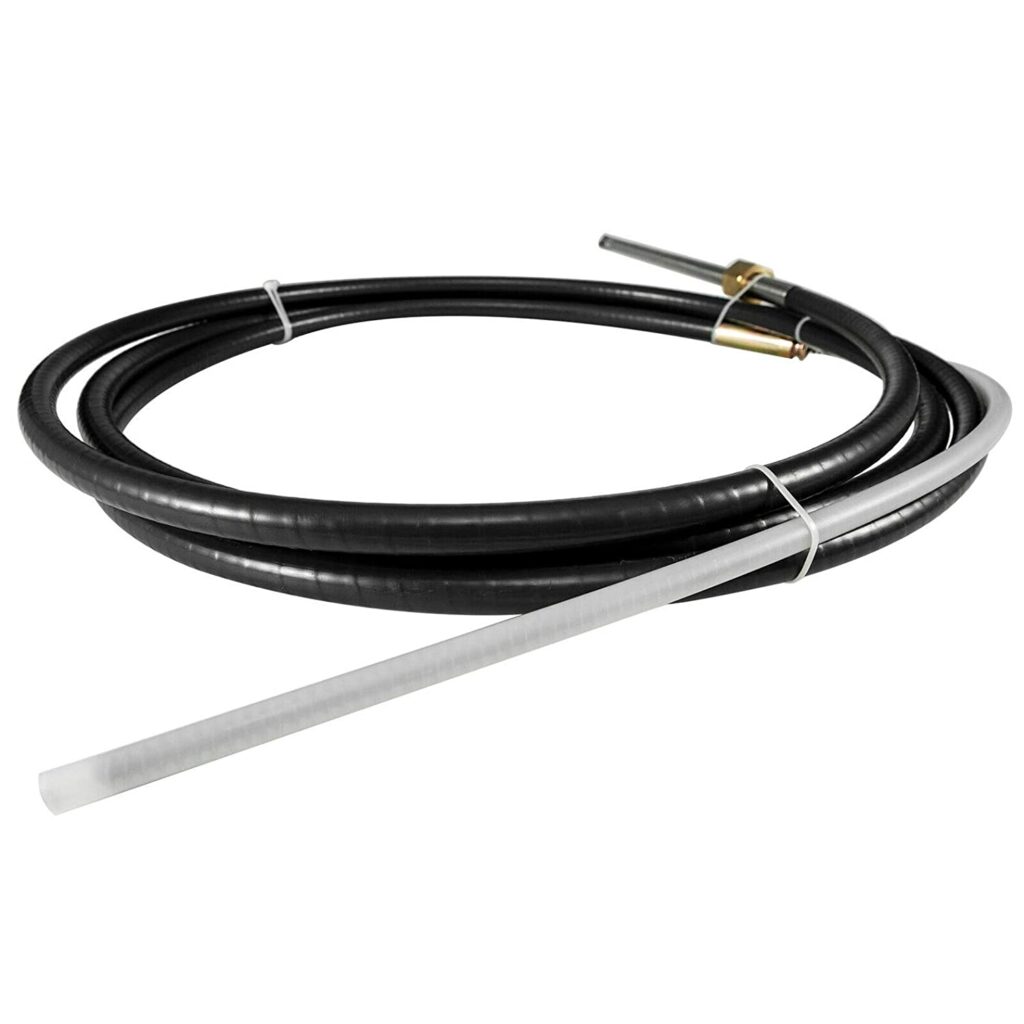
The short answer is: No, not all outboard steering cables are the same. Boat steering cables differ in length, design, compatibility, and mechanism type. The most widely used system today is the mechanical outboard steering system, which relies on a push-pull cable running from the helm to the outboard engine.
Leading manufacturers such as Multiflex Steering Cable, Teleflex, and other marine brands produce cables with unique specifications. Cable connectors, threading, and stiffness levels may vary.
Even if cables look similar, they may not match:
For safety and performance, always use the correct cable system recommended by your boat or outboard manufacturer.
To understand how a boat steering mechanism functions, it’s important to break down the basic components of a mechanical outboard steering system.
When you turn the steering wheel, the helm converts rotational motion into linear motion.
This power steering cable (more accurately, a push-pull mechanical cable) carries the motion from the helm to the engine.
The cable attaches to the steering tube on the outboard. As the cable pushes or pulls, the engine pivots left or right.
This simple yet highly effective mechanism is why mechanical steering remains the most popular option for small and mid-sized boats.
Knowing how outboard steering cable work helps detect issues early, such as:
This knowledge also helps you choose the best outboard engine steering cable for your vessel.
Selecting the correct outboard engine steering cable size is one of the most common challenges for boat owners.
While the method differs slightly depending on helm design or conduit layout, the main principle is:
To determine the right size (without using calculations here):
These three measurements form the total routing path required.
Most steering cable brands offer a wide range of pre-cut sizes to match the layout of various boats.
A cable that is too short:
A cable that is too long:
Using an incorrectly sized cable affects safety, handling, and long-term durability.
If unsure, a SGN Marine Steering Cable dealer, marine technician, or outboard service center can easily help you determine the right size.
Steering a powerboat is different from driving a road vehicle. Instead of front-wheel steering like a car, a boat “pivots” from the stern (back).
When the outboard engine turns:
Powerboats respond best to gradual steering movements, especially at higher speeds.
Depending on your propeller rotation, the boat may naturally pull slightly to one side.
A properly tuned mechanical system or Outboard Steering Kit reduces this effect.
At slow speeds, turns are wide and gradual.
At high speeds, turns become tighter—but also riskier.
A stiff or corroded cable makes steering harder and less predictable.
Check your boat engine steering cables regularly for:
Smooth steering is essential for safe boat handling.
Over time, steering cables wear out due to exposure to:
You should consider replacement if:
Replacing your cable with a high-quality Multiflex Steering Cable or another top marine brand ensures smoother control and longer system life.
An Outboard Steering Kit usually contains:
These kits are ideal for:
Choosing the right kit ensures proper compatibility with both your helm and outboard engine.
Most small and mid-size boats rely on mechanical cable steering, while larger or high-speed boats upgrade to hydraulic steering.
Even if your boat uses hydraulic steering, understanding how boat steering cables work is useful for maintenance and troubleshooting older systems.
Your boat’s steering system is the heart of safe and enjoyable navigation. Whether you’re replacing a worn cable, choosing an Outboard Steering Kit, or learning how outboard steering works, understanding your system ensures better performance on the water. Mechanical steering remains one of the simplest and most reliable systems, especially for small and medium outboards.
Keeping the steering cable in good condition, using the correct size, and selecting the best-quality brand—such as SGN Marine Steering Cable—helps maintain smooth handling, responsive steering, and long-term durability.
Outboard steering cables use a push-pull mechanism that transmits motion from the steering wheel to the engine. When you turn the wheel, the helm pushes or pulls the cable, pivoting the outboard left or right.
No. Steering cables differ in size, design, mechanism type, and brand compatibility. Always choose the cable recommended for your helm and engine model.
Brands like SGN Marine Steering Cable and Teleflex are known for durability, smooth performance, and compatibility with a wide range of outboards.
Replace your cable if steering feels stiff, sticky, or uneven, or if the cable jacket shows signs of wear or corrosion.
Measure the routing distance from the helm to the engine using your boat’s layout. If unsure, consult a marine technician or cable manufacturer guide.

At AlphaFlex, we believe that sustainability and innovation go hand in hand. Our manufacturing processes are designed to minimize environmental impact, with energy-efficient operations and waste reduction strategies integral to our production ethos.
We invite boat builders, distributors, and marine enthusiasts to partner with AlphaFlex
© 2025 Created by UniSol
WhatsApp us